Crans-Montana
Posted January 2, 2026
A devastating fire broke out inside Le Constellation, a crowded bar and nightclub, during a New Year’s Eve celebration in Crans-Montana, an internationally known ski resort in the Valais canton of southern Switzerland. The fire occurred in the early hours of New Year’s Day, January 1, 2026, at approximately 1:30 a.m. local time — which corresponded to 7:30 p.m. Eastern Standard Time on December 31, 2025.
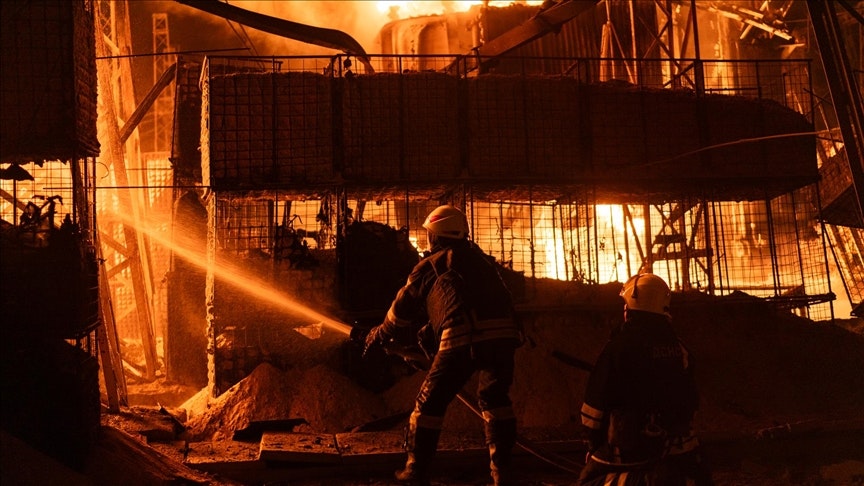
The blaze spread with extraordinary speed inside the packed venue, likely developing into a flashover-like event in which flames engulfed much of the interior within seconds to minutes. Emergency services from across the region were rapidly mobilized, including dozens of ambulances and medical helicopters, reflecting the scale and severity of the incident.
Casualties
In the first days following the fire, approximately 40 deaths were confirmed. At least 115 to 119 people were seriously injured, many suffering from severe burns and smoke or heat inhalation. Numerous victims were young adults and international visitors. Identification of the deceased has been challenging due to extensive burn injuries, and officials have cautioned that casualty figures may change as investigations continue and injured patients are monitored.
Damage
The interior of Le Constellation was severely damaged or destroyed by the fire. Portions of the structure — particularly the ceiling — reportedly collapsed, complicating both rescue operations and forensic examination. Damage to neighboring buildings has not been emphasized, suggesting the fire was largely contained to the venue itself. Due to safety concerns and ongoing forensic work, investigators have not yet been able to conduct a full interior survey.
Cause
Investigators believe the fire most likely began when sparklers or sparkler-type firework candles attached to champagne bottles ignited flammable ceiling materials. Authorities have ruled out terrorism, treating the event as a tragic accident while examining possible safety violations. The investigation is focusing on fire safety compliance, interior materials, occupancy limits, and whether indoor pyrotechnics were permitted.
While sparklers remain the leading theory, officials continue to examine how the initial ignition escalated so rapidly and whether any additional ignition sources played a role.
Tribute to First Responders
Firefighters, police, emergency medical personnel, and supporting agencies responded within minutes, despite difficult Alpine winter conditions. A coordinated mass-casualty response brought together fire units, ambulances, helicopters, and medical teams from across Valais and neighboring regions.
Police secured the scene, established a no-fly zone, and began the complex process of victim identification and investigation. Local hospitals quickly reached capacity, prompting the transfer of many injured patients to specialized burn centers in Lausanne, Geneva, Zurich, and other locations, including facilities outside Switzerland. Additional medical assistance has been offered by neighboring countries.
Family reception centers and emergency hotlines were established, and crisis counseling services remain available for survivors and families.
Community Reaction
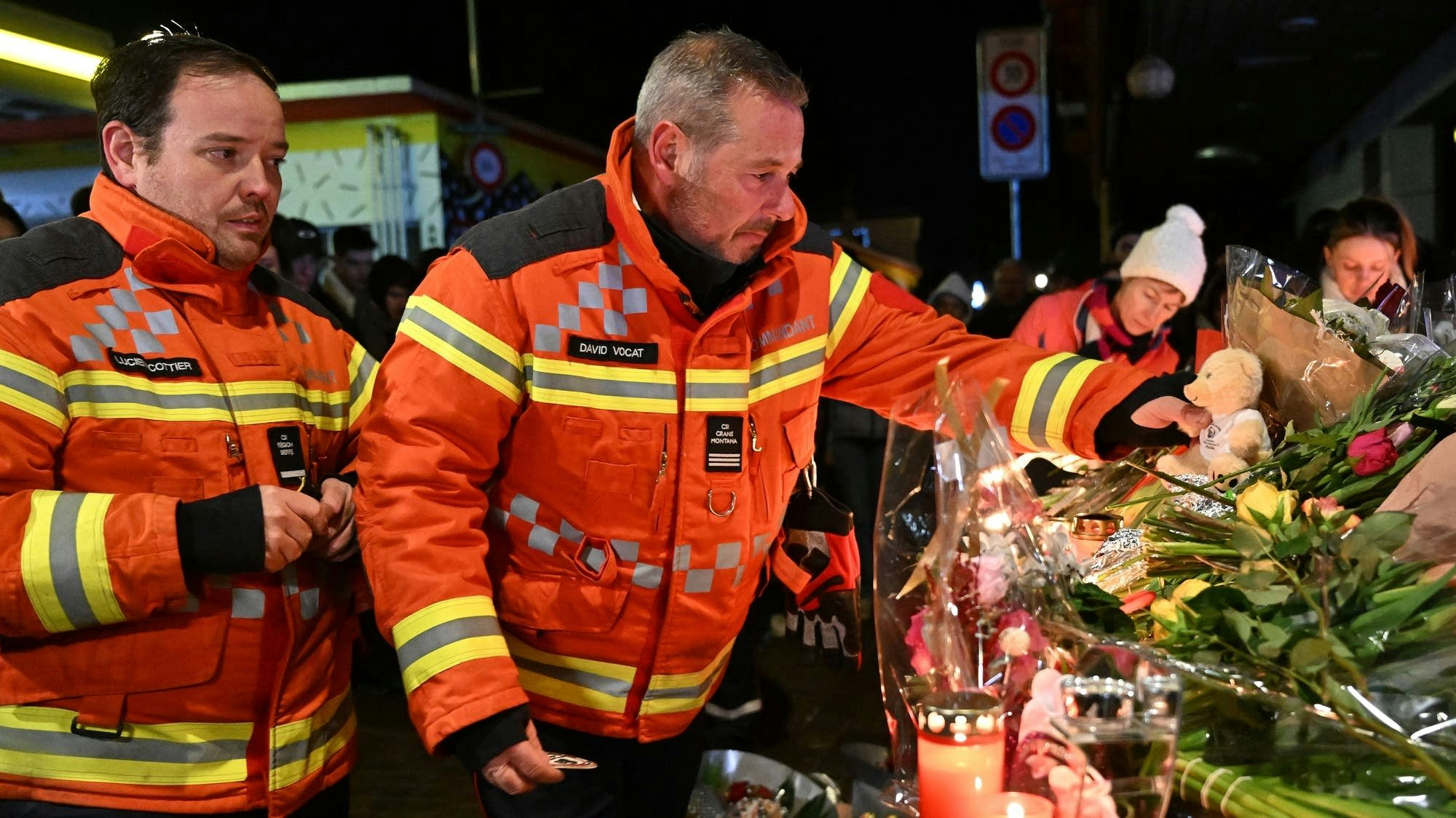
The tragedy has deeply shaken Switzerland and the international community. Memorials and vigils have been held, and national leaders — including Swiss President Guy Parmelin — have described the fire as one of the country’s worst recent disasters, offering public condolences.
Public reaction has included renewed calls for stricter enforcement of fire safety regulations in nightlife venues. Online discussions and media coverage reflect widespread concern about emergency preparedness, building materials, and the use of indoor pyrotechnics.
Timeline
Here is how events unfolded, based on verified reports and witness accounts:
All times are local (Central European Time, CET).
~00:30 – 00:59 — New Year’s Eve Celebration in Full Swing
• Le Constellation bar in Crans-Montana is packed with New Year’s revelers celebrating into the early hours.
01:30 a.m. — Fire Ignites
• A fire breaks out in the basement bar area of Le Constellation.
• Eyewitnesses report that a waitress was holding a champagne bottle with lit sparklers very close to the ceiling when flames quickly started on or near the ceiling.
~01:30 – 01:31 a.m. — Rapid Fire Spread
• Flames race across the low ceiling, which may have contained flammable acoustic foam, causing rapid fire spread.
• Many patrons are caught off guard by how fast the blaze develops.
~01:31 – 01:32 a.m. — First Emergency Calls
• Guests begin screaming and calling emergency services almost immediately.
• Some people try to escape through the narrow staircase and limited exits; others break windows to get out.
01:32 a.m. — First Responders Arrive
• Police and fire units arrive at the scene within minutes of the first calls.
• First responders begin evacuation and rescue operations, pulling people from the burning interior.
~01:35 – 02:00 a.m. — Firefighting & Evacuation
• Firefighters, police, and emergency medical teams start triaging and treating the wounded outside the venue.
• Patients with severe burns and smoke inhalation are stabilized on site and prepared for transport.
~02:00 – Early Morning — Ambulances & Helicopters Mobilized
• Dozens of ambulances and helicopters arrive as part of the mass casualty response.
• Hospitals in the Valais region quickly reach capacity; many injured are flown or driven to larger burn units in cities like Lausanne, Geneva, and Zurich.
Morning of January 1 — Investigation Begins
• By mid-morning, forensic teams and investigators enter the scene to examine the fire’s origin (still ongoing).
• Officials confirm the fire is not currently being treated as an attack.
Later on January 1 — Official Statements
• Swiss officials declare a five-day period of mourning.
• Victim identification begins, which is expected to take considerable time due to the severity of injuries.
What the Timeline Shows
• The entire fire — from ignition to full involvement of the interior — happened in seconds to a couple of minutes once flames started.
• Emergency services responded within minutes and rapidly escalated to a large-scale medical and rescue operation.
• Challenges included rapid fire spread, crowd evacuation bottlenecks, and overwhelmed hospitals.