
Huasheng Fireworks
Posted May 4, 2026
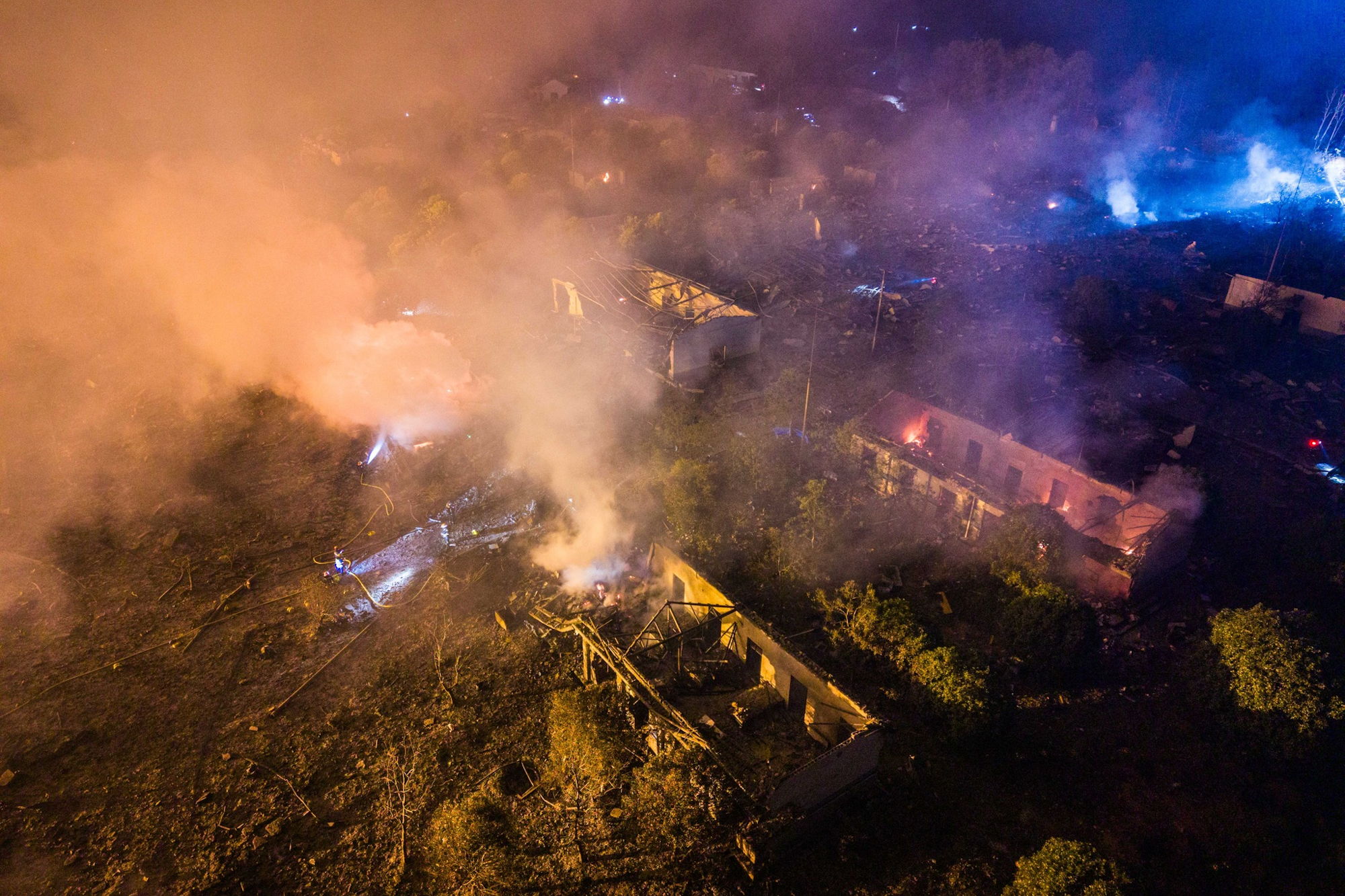
On May 4, 2026, a devastating industrial disaster unfolded in the fireworks-producing region of Guandu, Liuyang, in Hunan Province, China, when a massive explosion tore through the facilities of Huasheng Fireworks Manufacturing and Display Co. The blast occurred at approximately 4:43 p.m. local time inside a workshop area of the plant and quickly escalated into a large-scale fire fueled by black powder and other highly combustible fireworks materials. Thick smoke rose high above the scene as repeated secondary explosions complicated rescue operations and endangered surrounding communities.
The magnitude of the explosion caused catastrophic destruction across the factory grounds. Buildings were flattened, debris was scattered across nearby roads, and homes in surrounding neighborhoods sustained broken windows, damaged doors, and structural impacts from the blast wave. Authorities established extensive safety perimeters around the facility because of the continued threat posed by black powder storage areas that remained unstable after the initial explosion.
Many Casualties
At least 26 people lost their lives and 61 others were injured in the disaster, making it one of the deadliest fireworks factory explosions in recent Chinese history. Many of the injured reportedly suffered trauma from collapsing structures and flying debris. Rescue and recovery efforts continued through the night as responders searched damaged buildings for survivors and worked to account for missing workers.
Firefighters & Robots
The emergency response was immediate and extensive. Chinese authorities activated emergency plans shortly after the explosion, dispatching five rescue teams totaling 482 personnel to the scene in the initial response phase. Medical resources from across Hunan Province and the city of Changsha were mobilized to assist hospitals treating the wounded. Specialists from China’s Ministry of Emergency Management were sent to oversee operations and provide technical guidance during the rescue effort.
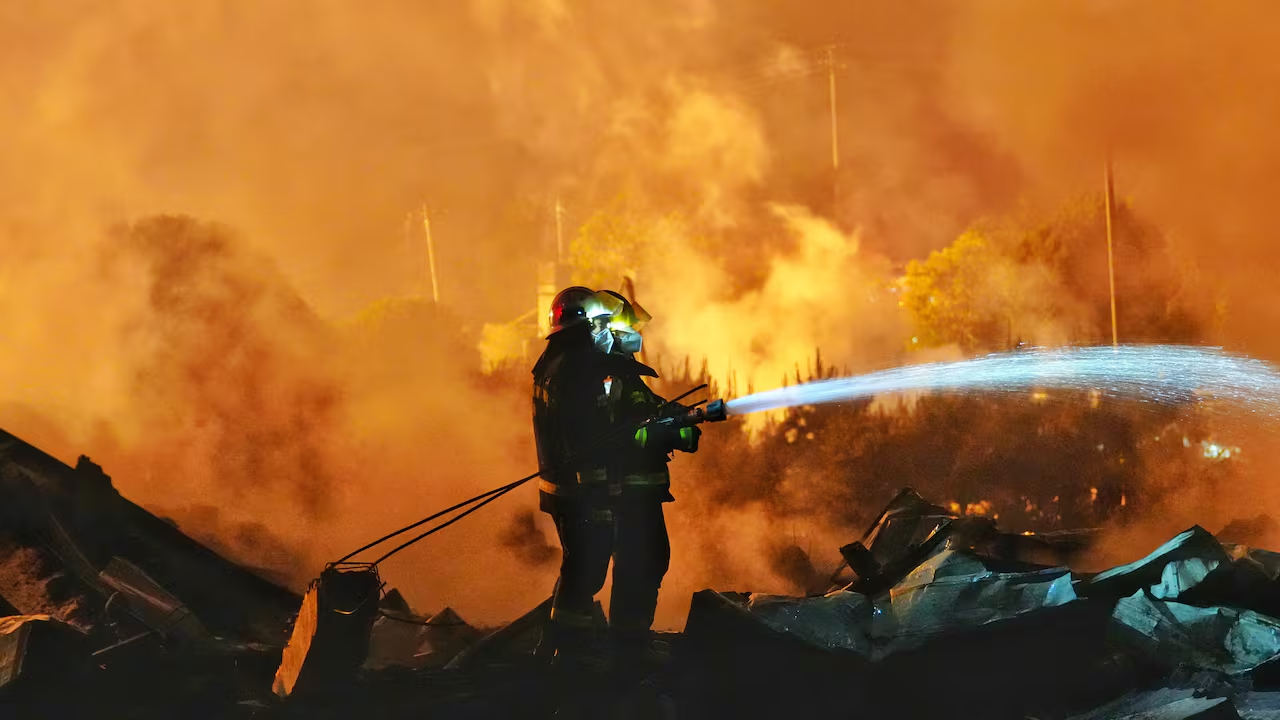
As conditions at the scene remained dangerous, firefighters and technical rescue personnel established isolation zones and firebreaks to prevent further detonations. Crews used spraying and humidification operations to cool hazardous materials and reduce the risk of additional explosions.
Robots, drones, and specialized search teams were also deployed to assist rescuers working in unstable and high-risk areas. Over time, the total emergency deployment reportedly expanded to more than 1,500 personnel, including firefighters, police officers, and medical teams.
Tribute to First Responders
The effectiveness of the first responders was widely evident in the disciplined and coordinated management of an extraordinarily hazardous incident. Responders confronted continuous explosions, intense fire conditions, unstable structures, and large quantities of explosive materials while simultaneously conducting rescue operations and protecting nearby residents. The rapid establishment of evacuation zones and the deployment of advanced technology such as drones and robots demonstrated a structured and adaptive response to a complex industrial disaster.
Managing the Hazard
The tragedy also underscored the dangers routinely faced by emergency personnel worldwide when responding to industrial fires and explosions involving volatile materials. In the aftermath of the incident, Chinese authorities suspended fireworks production throughout Liuyang while investigators examined the cause of the disaster and reviewed safety practices within the industry.