
Winter Safety Indoors
Furnaces, Space Heaters, and Candles
Cold weather brings comfort indoors — and increased fire risk. Each year, home heating equipment and candles are leading causes of residential fires. The Minoa Fire Department encourages all residents to take a few simple precautions to keep their homes and families safe during the winter

The Minoa Fire Department is always available to answer questions or provide guidance on home fire safety. If you’re unsure about a heating appliance or safety concern, don’t hesitate to contact us.
Your safety is our mission — all year long
Furnace Safety Tips
Your home’s furnace works hard during the winter months. Proper maintenance is essential.
Do:
Have your furnace professionally inspected and serviced once a year.
Replace or clean furnace filters regularly.
Keep the area around the furnace clear of storage, boxes, and combustible materials.
Ensure vents and flues are unobstructed and in good condition.
Install and maintain working smoke and carbon monoxide detectors on every level of your home.
Don’t:
Ignore unusual smells, noises, or frequent cycling.
Store gasoline, paint, or flammable liquids near the furnace.
Block airflow with furniture or stored items.
Space Heater Safety
Space heaters can provide comfort — but they are involved in many winter house fires.
Use space heaters safely by following these rules:
- Keep heaters at least 3 feet away from anything that can burn (curtains, furniture, bedding).
- Plug heaters directly into a wall outlet — never use extension cords or power strips.
- Turn heaters off when leaving the room or going to sleep.
- Place heaters on a flat, stable surface.
- Use heaters with automatic shutoff and tip-over protection.
- Never use a space heater to dry clothes or warm bedding.
Never use outdoor or fuel-burning heaters indoors, including propane heaters, kerosene heaters, or charcoal grills. These can produce deadly carbon monoxide.
Safe Candle Use
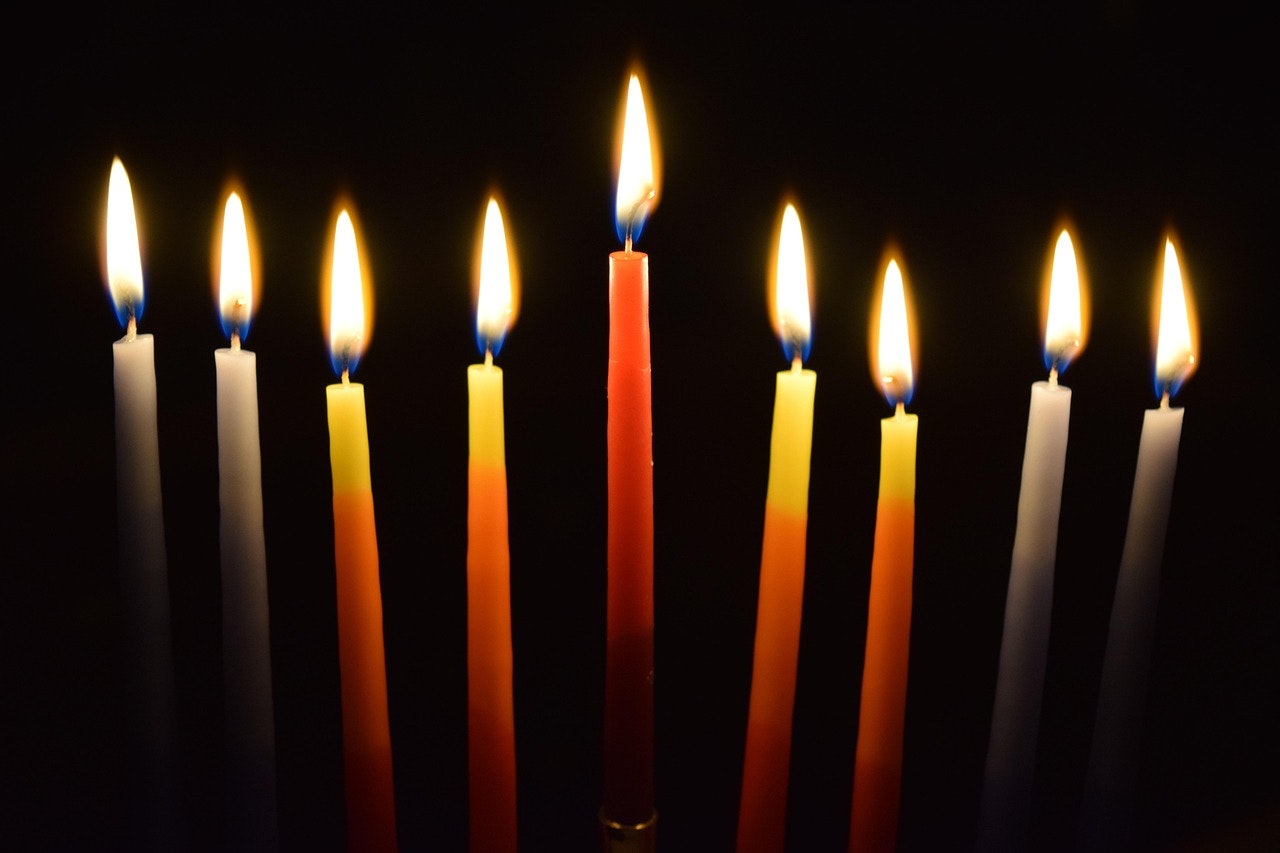
Be especially cautious during holidays when candles are often used for decoration and during power outages when candles might be used for light.
Do:
Keep candles at least 12 inches away from anything that can burn, including curtains, furniture, decorations, and books.
Place candles on a stable, heat-resistant surface where they cannot be knocked over.
Use sturdy candle holders designed to catch dripping wax.
Keep candles out of reach of children and pets.
Extinguish candles before leaving the room or going to sleep.
Use battery-powered flameless candles when possible — especially around children or in bedrooms.
Don’t:
Leave burning candles unattended, even for a short time and never when you fall asleep.
Place candles near drafts, vents, or open windows.
Burn candles all the way down — extinguish them when about two inches of wax remain (or one-half inch for container candles).
Move a candle while it is burning or while the wax is still hot.
If a Candle Causes a Fire
If a small fire starts in a container candle, do not use water — this can cause hot wax to splatter.
If a fire grows or spreads, get out immediately and call 911 from outside.
Never try to carry a burning candle through your home.
Smoke and CO Alarms Save Lives
- Install smoke alarms on every level of your home and inside sleeping areas.
- Install carbon monoxide alarms near bedrooms and on each floor.
- Test alarms monthly and replace batteries at least once a year.
- Replace smoke alarms every 10 years.